
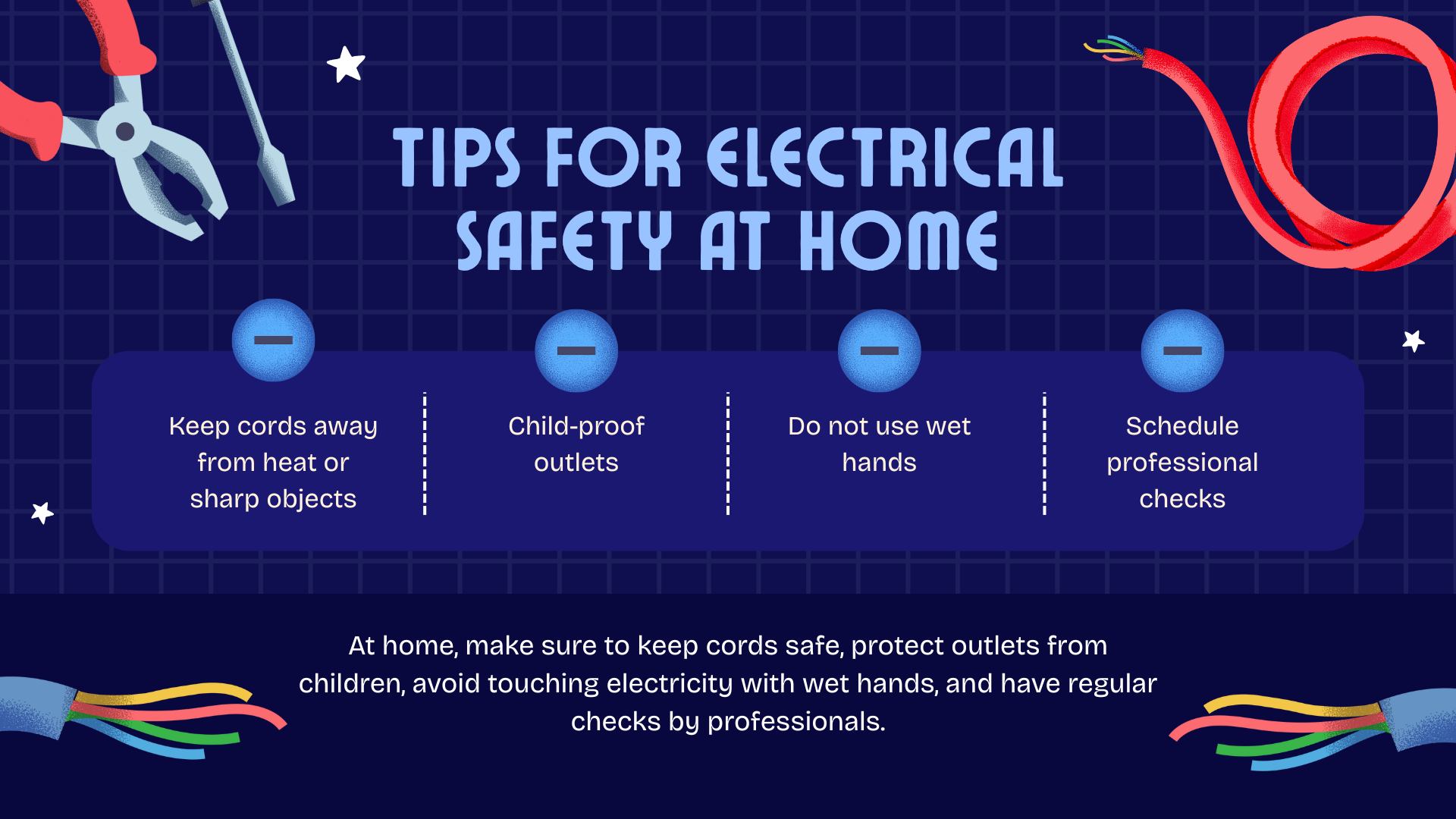
Electrical safety isn’t about scaring people; it’s about understanding real risks and knowing when to act. After years of working in homes, flats, shops, and offices across London, one thing becomes clear very quickly: most electrical accidents don’t happen suddenly; they build up over time.
Loose connections, overloaded sockets, aging wiring, DIY fixes that seemed “fine”… until they weren’t.
This guide explains electrical safety in plain English, based on real situations London electricians see every day.
Electrical safety means using, maintaining, and installing electrical systems in a way that prevents injury, fire, and damage.
In real-world terms, it’s about:
Preventing electric shocks
Avoiding electrical fires
Protecting appliances and wiring
Keeping people safe in everyday environments
Most safety issues don’t come from dramatic faults; they come from small warning signs that get ignored.
From experience, these are the most frequent problems found in UK homes:
Plugging too many devices into one socket is one of the leading causes of electrical fires. Extension leads are often used as permanent solutions; they’re not designed for that.
What we see on jobs:
Burn marks behind plugs
Warm socks
Tripping breakers late at night
Many London properties still have wiring that’s 30–50 years old. Even if it “works,” insulation degrades and safety standards change.
Warning signs include:
Flickering lights
Buzzing from switches
Frequent fuse trips
Old-style fuse boxes
This is a big one. Temporary fixes often turn into permanent risks.
Common DIY issues:
Loose terminals
Incorrect cable sizes
No earthing
Mixed wire colors
These problems don’t always fail immediately; they fail when conditions change, like increased load or moisture.
Bathrooms, kitchens, and outdoor areas are high-risk zones.
We regularly see:
Outdoor sockets without weather protection
Bathroom lights installed incorrectly
Kitchen sockets too close to sinks
Electricity and water don’t mix; even modern systems need correct protection.
Older homes deserve special attention.
In period properties, common safety concerns include:
No RCD protection
Rewired sections mixed with original wiring
Metal back boxes without proper earthing
Inconsistent circuit layouts
These homes are typically safe, but they require proper assessment, not assumptions.
An RCD (Residual Current Device) is designed to cut power instantly if it detects a fault.
From experience:
RCDs have prevented serious shocks.
They’ve stopped fires before damage spread.
Homes without RCDs are far more vulnerable.
If your consumer unit doesn’t have RCD protection, electrical safety is already compromised, even if nothing has gone wrong yet.
Rental properties carry legal and moral responsibility.
Key safety expectations include:
Regular electrical inspections
Safe sockets and switches
Proper earthing
Working RCD protection
Many faults found during inspections have existed for years unnoticed by tenants who assumed they were “normal.”
Electrical safety checks protect:
Tenants
Property
Landlords from liability
Workplaces introduce additional risks:
Higher electrical loads
Shared equipment
Emergency lighting systems
Fire alarm integration
Common issues found in commercial settings:
Overloaded circuits
Poor cable management
Damaged trunking
Non-maintained emergency lights
Small faults in commercial spaces can quickly affect many people, which is why proactive safety matters.
These are real red flags that require professional attention:
Burning smells
Crackling sounds
Discolored sockets or switches
Electric shocks from appliances
Circuit breakers tripping repeatedly
Lights dimming when appliances turn on
If something feels “off,” it usually is.
Children are naturally curious, and electrical risks aren’t always obvious.
Important precautions include:
Socket covers where appropriate
Secure appliance cables
Avoid trailing leads
Use tamper-resistant sockets
Many incidents happen not because of broken systems but because of accessible hazards.
Outdoor electrics face:
Moisture
Temperature changes
Physical damage
We often find:
Incorrect outdoor sockets
Poor cable protection
Unsafe garden lighting setups
Outdoor electrical work should always be installed and checked properly, even for small additions.
General guidance from experience:
Homes: every 10 years (or sooner if issues appear)
Rental properties: every 5 years
Commercial buildings: regularly, depending on use
Waiting for a fault to happen is never a safety strategy.
The most serious electrical incidents could have been prevented by:
Early checks
Correct installations
Qualified repairs
Honest assessments
Electrical safety isn’t about replacing everything; it’s about knowing what’s safe, what’s aging, and what needs attention.
The most dangerous electrical systems aren’t the ones that have failed; they’re the ones quietly deteriorating.
If your electrics:
Haven’t been checked in years
Have been DIY-modified
Show small warning signs
Then electrical safety deserves attention not later, but now.

Copyright 2022 © All Right Reserved Design by Rometheme