
Reviewed By: Afaq Sadiq
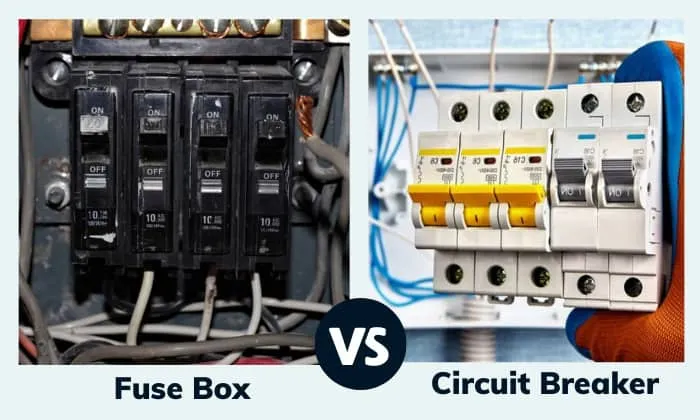
A consumer unit is the modern, safer, and more efficient version of a traditional fuse box. While both control and distribute electricity throughout a property, modern consumer units use advanced safety technology that older fuse boxes simply don’t have.
Although people often use the terms interchangeably, they are not the same. A consumer unit is designed to meet today’s safety standards, while many old fuse boxes are now outdated.
Both a fuse box and a consumer unit act as the central control point for your property’s electrical supply. They send electricity to different circuits and automatically cut the power if a fault occurs, such as an overload or wiring issue.
The key difference is how quickly and safely they respond to problems.
Modern consumer units are fitted with MCBs, RCBOs, and RCDs, which detect faults and cut power in milliseconds. This greatly reduces the risk of electric shock and electrical fires. Older fuse boxes rely on fuse wire, which melts when overloaded but offers far less protection.
If a circuit trips in a consumer unit, you simply reset the switch. With a fuse box, you must replace the fuse wire or cartridge, which can be inconvenient and unsafe if done incorrectly.
Consumer units are built to meet current UK wiring regulations, including BS 7671 (18th Edition). Most old fuse boxes do not meet modern safety standards.
| Feature | Traditional Fuse Box | Modern Consumer Unit |
|---|---|---|
| Circuit Protection | Fuse wire that blows | Resettable circuit breakers (MCBs) |
| Resetting | Fuse wire must be replaced | Switch can be flipped back on |
| Shock Protection | Usually none | Includes RCD protection |
| Fire Protection | Limited | High-level protection |
| UK Compliance | Often outdated | Meets current regulations |
You have a consumer unit if you see a row of switches or breakers that flip up and down
You have a fuse box if you see glass fuses or ceramic carriers that must be removed to check the wire
Upgrading to a modern consumer unit improves:
Electrical safety (shock and fire protection)
Ease of use (quick resets instead of fuse replacement)
Compliance with UK regulations
Property value and saleability
A qualified electrician registered with organisations like NICEIC can advise whether an upgrade is required.
A fuse box uses replaceable fuse wire, while a consumer unit uses modern circuit breakers and RCDs for faster, safer protection.
Costs vary based on property size and circuits, but replacement is usually a few hundred pounds, including testing and certification.
The signs of a faulty consumer unit include frequent tripping, burning smells, buzzing sounds, visible damage, or circuits not resetting properly.
“Consumer unit” is the correct modern term. “Fuse box” is commonly used but technically outdated.
Typically 4 to 6 hours, depending on the complexity of the installation.
Most consumer units last 20–30 years, but safety standards may change before then.
Yes, in many cases. A rewire is only needed if the existing wiring is unsafe or damaged.
Yes. Circuit breakers and RCDs are designed to cut power early to reduce fire risk.
Yes, but it may raise concerns during surveys and often leads to upgrade requests.
Modern consumer units do, but older ones may not.
Blown fuses, overheating, scorch marks, unreliable power, or repeated loss of electricity.
This guide is for understanding only. Electrical work should always be carried out by a qualified electrician to ensure safety and compliance.
Get Electrical Services With Just One phone Call and now just services. Any more help or advice According to your needs.

We are London local electricians, and we offer electrical services across London. From emergency repairs to full installations, our qualified team is available 24/7 to keep your home and business powered and protected.