
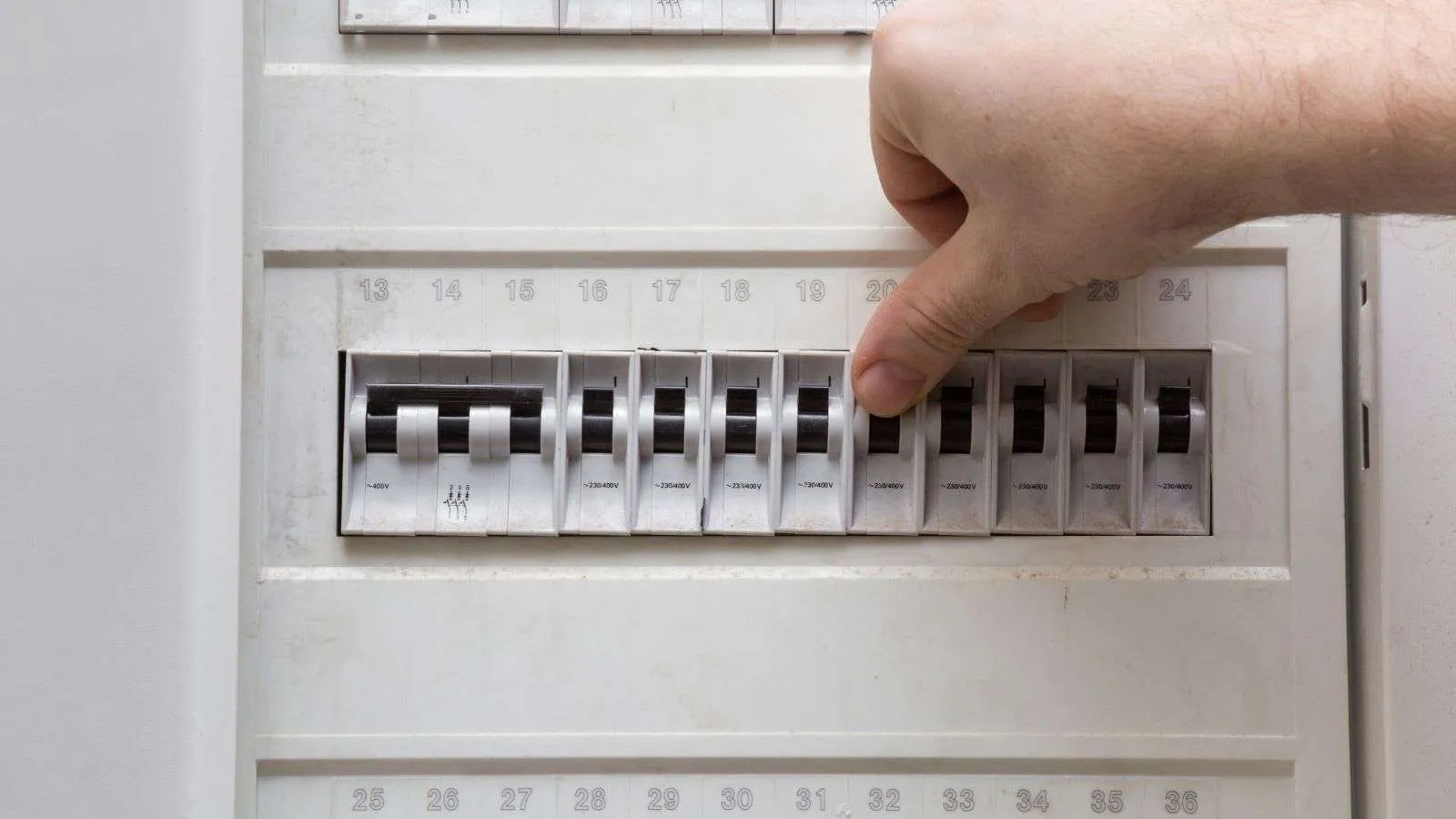
We begin with the basic understanding of a fuse box, which is simply defined as the main electrical control point in your property and is also known as a consumer unit. It distributes electricity to different circuits and automatically cuts the power if it detects a fault, overload, or safety risk. Modern fuse boxes use circuit breakers and RCDs to protect against electrical fires and electric shocks.
Your fuse box (or consumer unit) trips as a safety precaution against electrical fires and shocks. If it keeps happening, it’s typically due to one of the following reasons:
Common Causes
Circuit Overload: This is the most common cause. It occurs when you use too many high-power devices, like a kettle, toaster, and washing machine, on the same circuit at once. This can exceed the circuit’s capacity.
Faulty Appliance: A damaged or old appliance can cause a surge or “leak” electricity, triggering the safety switch.
Short Circuit: This occurs when a live wire touches a neutral wire, creating a sudden, dangerous surge of current.
Ground/Earth Fault: This occurs when a live wire connects with a grounded part of an appliance or the earth wire. Moisture can cause this, especially in outdoor sockets or bathrooms.
Faulty Components: Occasionally, the circuit breaker or the fuse box itself may be worn out or outdated.
If you can reset the switch but it trips again later, you can often identify the problem yourself:
Unplug everything on the affected circuit.
Reset the switch at the fuse box.
Plug items back in one by one, turning each on as you go.
Identify the fault: The moment the power trips, the last item you plugged in or turned on is likely the cause.
You should seek professional help from a NICEIC-approved electrician if:
The switch trips immediately after being reset, even with nothing plugged in.
You smell burning plastic or see scorch marks around sockets or the fuse box.
You hear buzzing or popping sounds from the electrical panel.
The tripping happens when it rains, suggesting water is entering your external electrics.
I write a detailed blog on when to call an electrician; you can read it from the link.
If you’re experiencing frequent circuit breaker tripping, it’s a sign that your electrical system is under stress or detecting a fault. While an occasional trip can happen, repeated tripping should never be ignored.
Common reasons include:
Ongoing circuit overloads from modern high-demand appliances
A deteriorating appliance that intermittently faults
Hidden wiring issues inside walls or ceilings
Moisture affecting sockets, outdoor electrics, or garage circuits
Frequent tripping is your electrical system telling you something isn’t right. Resetting the breaker over and over won’t fix the problem. This can lead to overheating and cause long-term damage.
Many homeowners ask, “why does my fuse box keep tripping when nothing is plugged in?” This usually points to an issue beyond appliances.
Possible causes include:
A wiring fault within the circuit
A damaged cable behind sockets or light fittings
Water ingress affecting internal wiring
A failing circuit breaker or RCD inside the consumer unit
If the switch trips immediately after being reset, even with all appliances unplugged, this is a strong indicator that professional inspection is needed.
An RCD (Residual Current Device) trips for safety reasons related to electric shock, not overload.
If your RCD keeps tripping, it’s usually due to:
Earth leakage from a faulty appliance
Moisture in outdoor sockets or garden electrics
Bathroom or kitchen circuits affected by humidity
Deteriorated insulation on wiring
RCDs are extremely sensitive by design. Even a small fault can cause them to trip, especially in damp conditions or older properties.
Occasional tripping is not dangerous on its own — it means the safety system is working. However, repeated or unexplained tripping can become a safety concern if ignored.
It may indicate:
Overheating cables
Failing electrical components
Increased fire risk
Potential shock hazards
That’s why ongoing issues should always be checked by a qualified electrician, ideally a NICEIC-approved electrician.
This can happen when timed appliances (like immersion heaters or storage heaters) switch on, pushing the circuit over its limit or exposing an existing fault.
Yes. A faulty kettle, washing machine, or heater can trip the circuit only when in use, making the problem seem random.
Rain can allow moisture to enter outdoor sockets, garden lighting, or external cabling, causing earth leakage and triggering the RCD.
Resetting once is fine. Resetting repeatedly without finding the cause is not recommended and can mask a serious issue.
Yes, you can replace the fuse box, but not always. Sometimes the issue is a single circuit or appliance. However, outdated consumer units may lack modern protection and should be assessed by an electrician.
Get Electrical Services With Just One phone Call and now just services. Any more help or advice According to your needs.

Copyright 2022 © All Right Reserved Design by Rometheme